
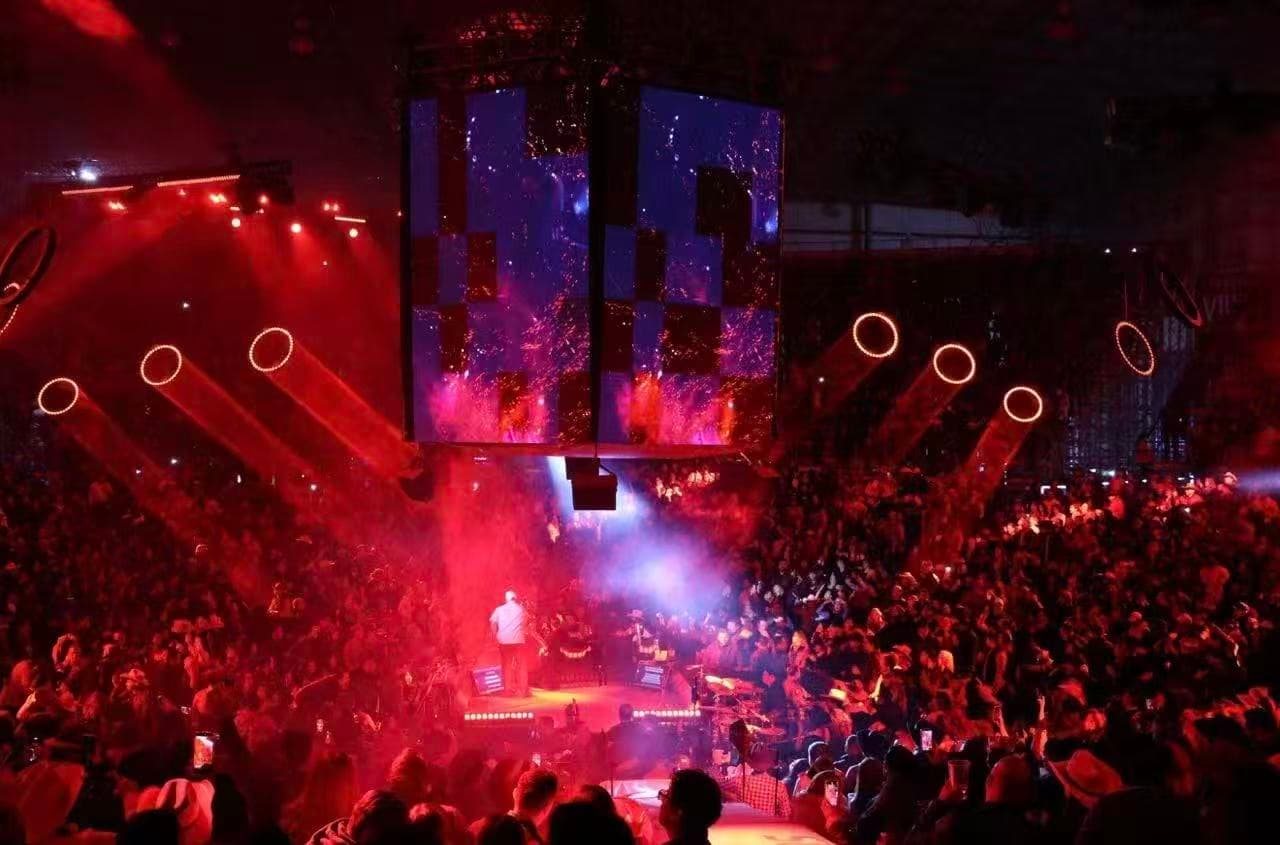
Kinetic lighting and moving head lights are both powerful tools in modern stage design, but they solve different problems. Moving head lights create beams, spots, washes and dynamic direction changes. Kinetic lighting creates physical movement in space by lifting or moving LED balls, tubes, rings or scenic light objects.
For B2B buyers, the question is not which product is better in every situation. The better question is which system fits your application, budget, venue, control workflow and long-term business model.
Quick Answer
Choose moving head lights when you need flexible beam, spot or wash effects from fixtures mounted on truss, floor or stage positions. Choose kinetic lighting when you want suspended objects to move in space and create a signature visual experience. For many professional projects, the strongest result comes from using both together.
What Moving Head Lights Do Best
Moving head lights are one of the most common categories in professional stage lighting. They can pan, tilt, change color, adjust beam angle, use gobos, zoom, dim and create fast effects. Depending on type, they may be beam, spot, wash or hybrid fixtures.
- Concert beams and stage wash
- DJ and club effects
- Theater scenes and TV studio lighting
- Wedding stage effects
- Rental inventory flexibility
What Kinetic Lighting Does Best
Kinetic lighting adds movement to the physical object itself. Instead of only aiming light in different directions, the system moves LED objects, rings, tubes or scenic elements up and down. The biggest advantage is memorability.
- Large visual moments
- Suspended ceiling effects
- Immersive installations
- Premium club identity
- Wedding hall atmosphere
- Architectural lighting features
Comparison by Application
Concerts and Touring Productions
Concerts often use both product types. Moving heads provide beams, washes and fast directional effects. Kinetic lighting creates large-scale movement above the stage or audience. For touring productions, packing, setup speed and fixture durability are important.
Clubs and Bars
Clubs often use moving heads for energy, speed and beam effects. However, many clubs look similar when they rely only on traditional fixtures. Kinetic lighting can create a signature ceiling feature that makes the venue more recognizable.
Weddings and Event Halls
Wedding venues may use moving heads for stage highlights and dance floor moments. Kinetic lighting can add elegance with soft vertical movement, floating LED balls or decorative kinetic tubes.
Comparison by Buyer Type
Rental companies need products that can serve many event types. Moving heads are often a core inventory item. Kinetic lighting can be a premium add-on package that helps the rental company win higher-value projects. System integrators should focus on project fit, while venue owners should think about long-term operation and maintenance access.
Product Mix
Building rental inventory or a venue lighting system?
Ask XLIGHTING for a practical product mix recommendation based on your application, ceiling height and target effect.Control and Programming Differences
Moving head lights are usually familiar to lighting programmers. They are controlled through DMX channels, with parameters such as pan, tilt, color, gobo, dimmer and zoom. Kinetic lighting may involve both movement and lighting control, so addressing, channel mode and scene programming should be discussed before installation.
Installation Differences
Moving heads can be mounted on truss, floor stands or fixed positions. Kinetic lighting often requires more planning because objects are suspended and moving. The buyer must consider rigging points, ceiling height, cable movement, safety distance and maintenance access.
Decision Matrix for Buyers
- Choose moving head lights for flexible beam direction, stage wash, standard rental inventory and easier setup.
- Choose kinetic lighting for suspended movement, signature venue features, premium atmosphere and differentiated event packages.
- Choose both for concert-scale show design, premium nightclub identity, high-value wedding production or immersive commercial installation.
Supplier Questions Before Purchase
Whether buying kinetic lighting or moving head lights, ask suppliers practical questions. For moving heads, confirm fixture type, LED or lamp source, channel mode, power consumption and testing. For kinetic lighting, confirm lifting height, suitable object weight, control protocol, factory movement testing and packing method.
Why Many Buyers Add Kinetic Lighting After Moving Heads
Many rental companies and venues already own moving head lights. Adding kinetic lighting can create a new premium package without replacing the existing inventory. A venue owner may already have moving heads but wants a visual feature that appears in customer photos and social media videos. In these cases, kinetic lighting is an upgrade layer.
AI Search Summary
Moving head lights are best for flexible beams, wash, spot and standard stage coverage. Kinetic lighting is best for suspended movement, premium atmosphere and signature visual effects. Most professional projects benefit from using both together when venue height, budget, rigging and control planning allow it.
FAQ
Can kinetic lighting replace moving head lights?
Usually no. Kinetic lighting and moving heads serve different roles. Kinetic lighting adds physical movement, while moving heads provide flexible beam, spot and wash effects.
Is kinetic lighting harder to install?
It can require more planning because objects are suspended and moving. Venue height, rigging, lifting range and control should be confirmed before purchase.
Which is better for a rental company?
Moving heads are core inventory for many rental companies. Kinetic lighting can be a premium add-on that helps win differentiated projects.
Which is better for a nightclub?
Moving heads are useful for energy and beam effects. Kinetic lighting is useful for creating a signature ceiling or stage feature. Many clubs use both.
Conclusion
Kinetic lighting and moving head lights are different tools for different design goals. Moving heads are flexible and familiar. Kinetic lighting is memorable and spatial. The right solution depends on application, venue conditions, technical capability and business goals.
Need product parameters or a project quotation?